

Throughout the past fifteen years, Iranian women have become the moral compass of a nation in conflict with itself. Each of them, some known only by a first name, others by an image that shook the world, stood up to a system built to silence them. Their courage, pain, and defiance have shaped how Iranians and the world see the regime, and how we understand the cost of dignity under oppression. This post is not to retell tragedies, but to honor those who turned personal sacrifice into collective awakening.
1. Neda Agha-Soltan (2009)
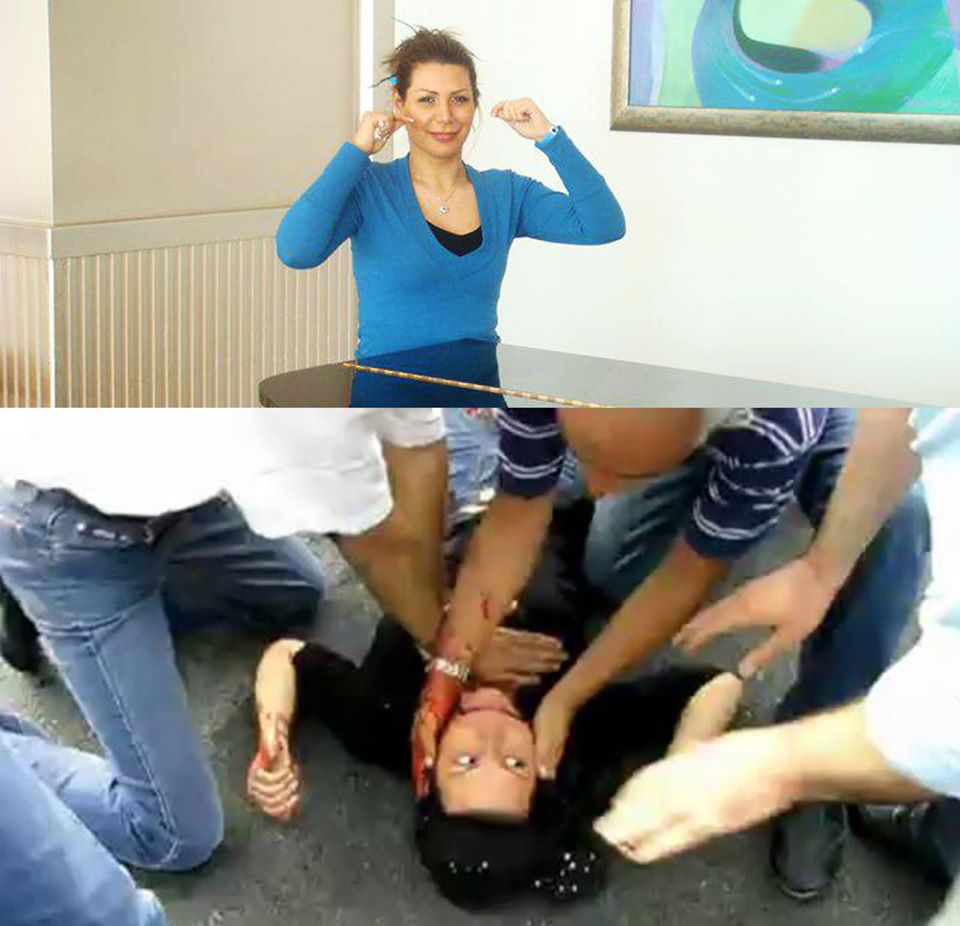
Killed during the Green Movement protests, Neda’s death, captured on a Tehran street, became a global symbol of state brutality. Her last moments, seen by millions, marked a generational loss of innocence and a turning point in how Iranians perceived their rulers. Neda’s name endures as a quiet reminder that the price of freedom in Iran has always been human.
2. Nasrin Sotoudeh
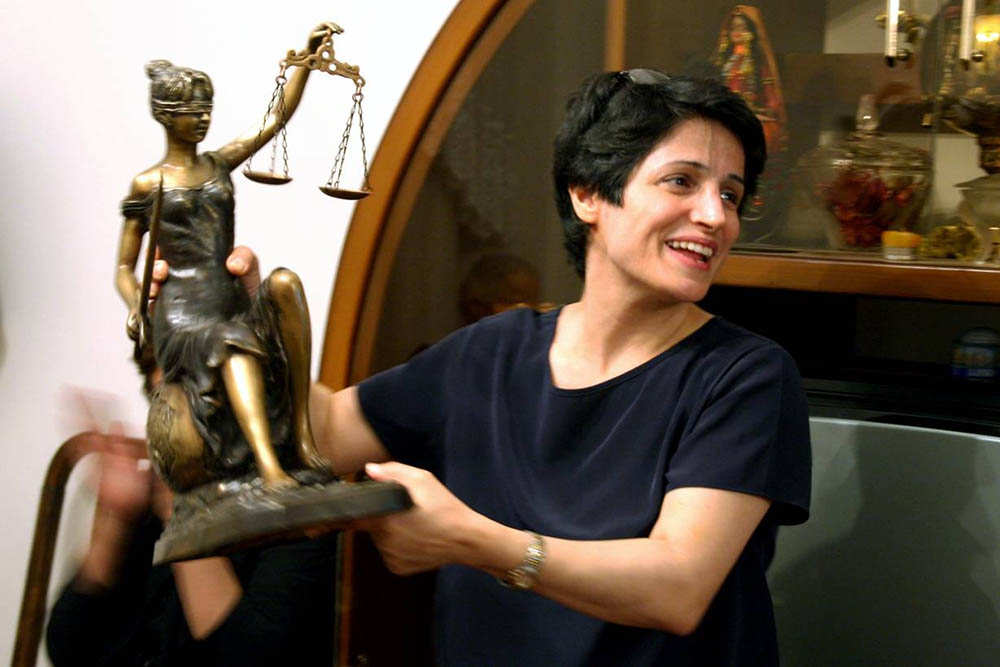
A human-rights lawyer who spent years defending political prisoners and women protesting the compulsory hijab, Nasrin Sotoudeh has been repeatedly imprisoned for doing her job. Her calm resilience in the face of endless pressure made her the conscience of Iran’s legal community and a living argument for moral integrity over fear.
3. Vida Movahed (2017) — The Girl of Enghelab Street
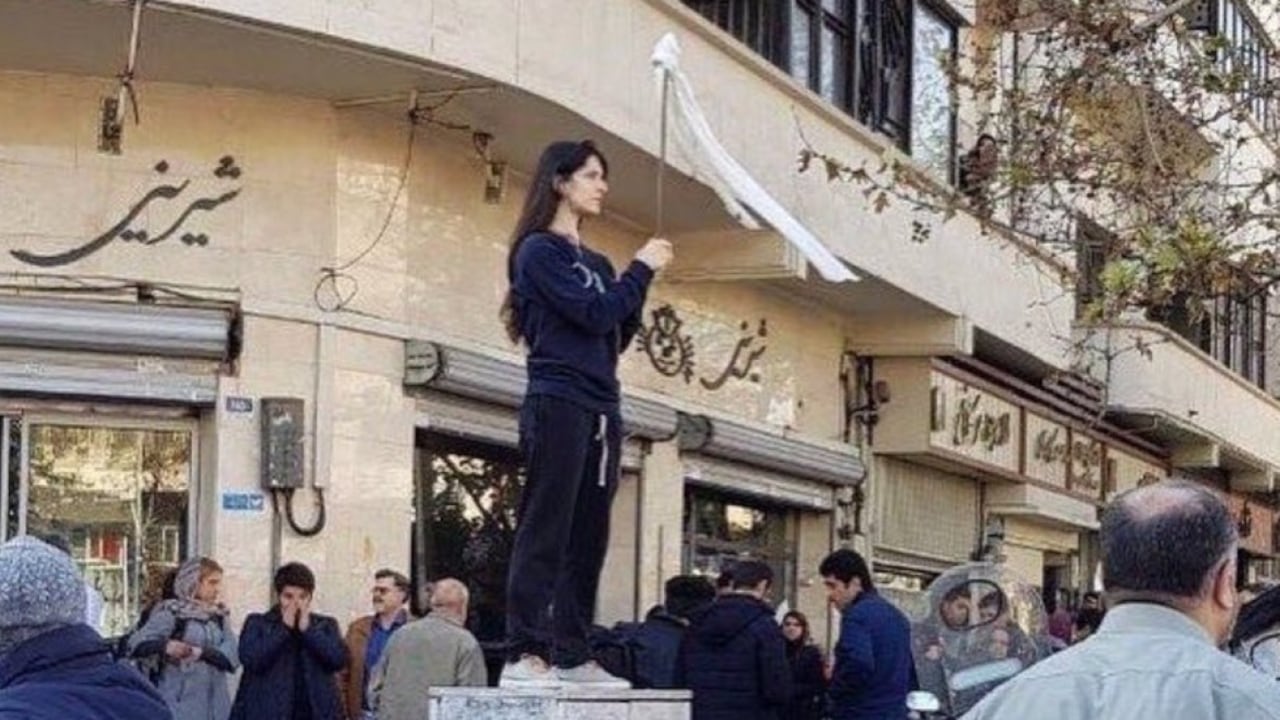
When Vida climbed onto a utility box on Tehran’s Enghelab Street and waved her white scarf like a flag, she transformed a simple act into a movement. Many women followed her gesture across Iran, standing on boxes of their own. That white scarf became the banner of civil disobedience against forced veiling peaceful, visual, and unforgettable.
4. Sahar Khodayari (2019) — The Blue Girl
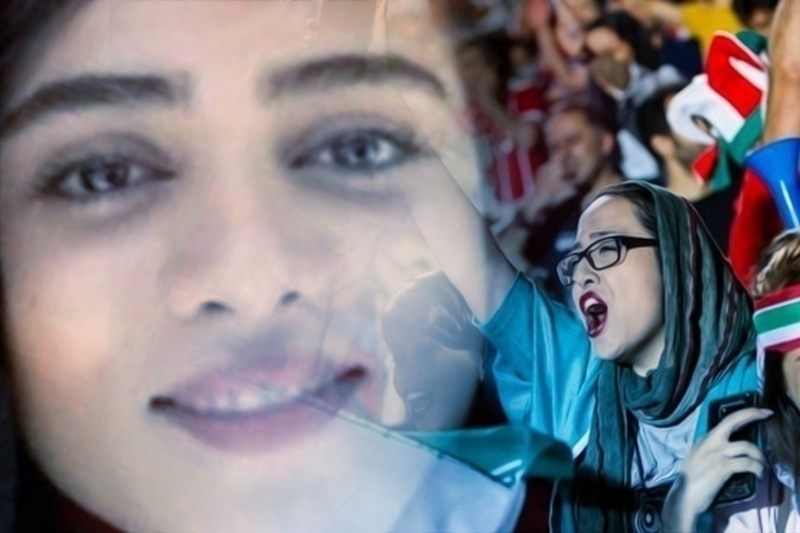
Sahar set herself on fire after being denied entry to a football stadium. Her death exposed to the world the absurd cruelty of a system that polices women even in leisure. The outrage that followed pressured officials and international bodies to open stadium gates, if only slightly, marking one of the few visible cracks in the state’s gender segregation.
5. Ghoncheh Ghavami (2014–2015)
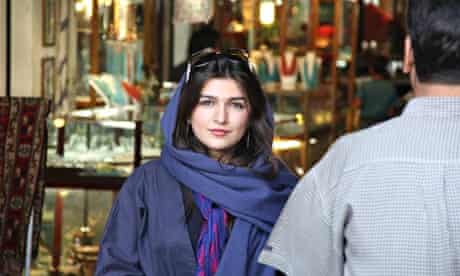
A British-Iranian law graduate arrested for trying to attend a volleyball match, Ghoncheh Ghavami spent months in solitary confinement. Her case drew global attention to the everyday discrimination Iranian women face, long before the world took notice through later tragedies. Her calm dignity and the campaign for her release amplified the conversation that Sahar Khodayari would tragically reignite years later.
6. Sepideh Gholian
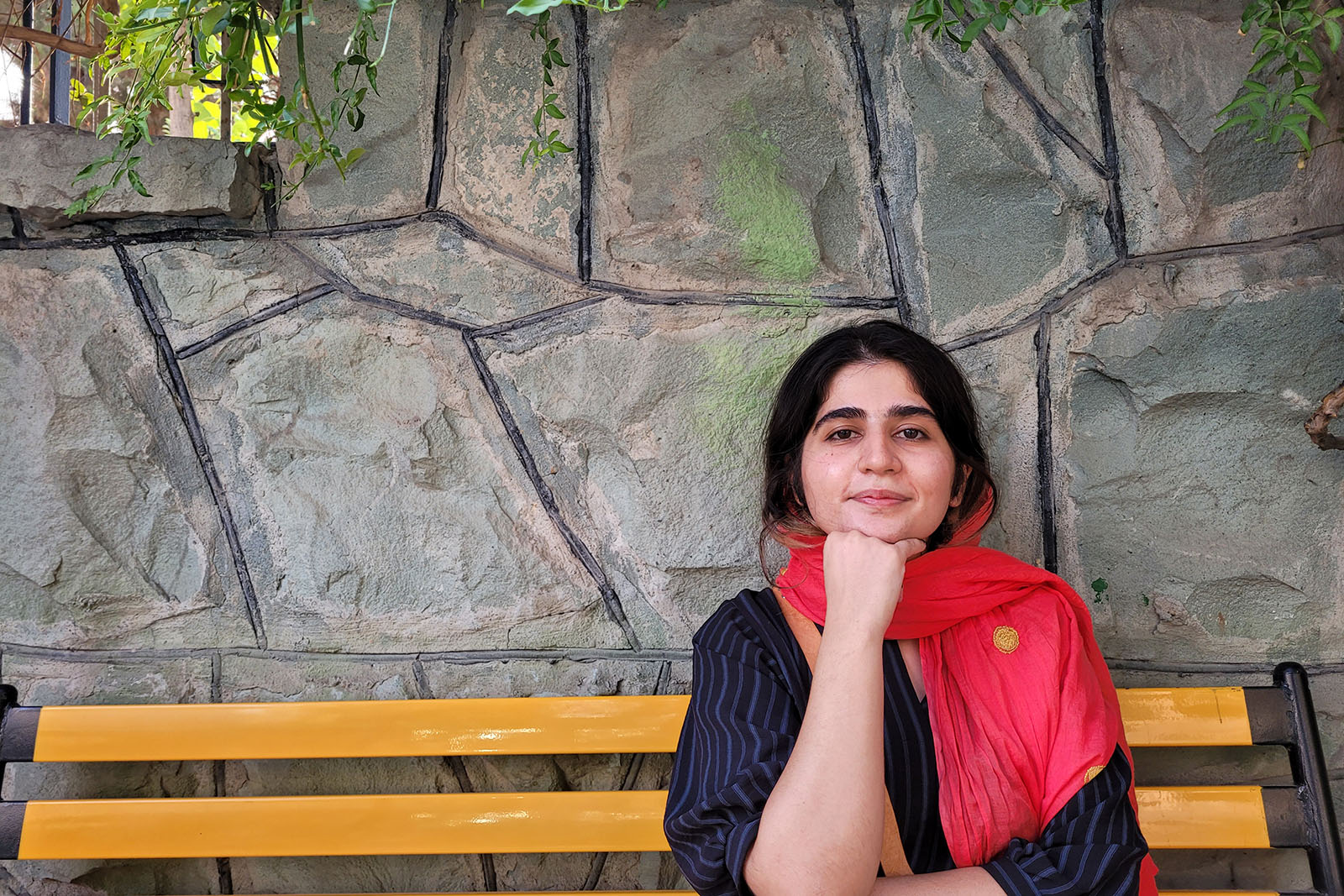
Journalist and labor activist, Sepideh has faced arrest, torture, and imprisonment for exposing the realities of Iranian prisons and defending workers’ rights. Even from behind bars, she writes and records her experiences, ensuring the world hears voices the regime tries to erase. Her defiance has made her one of the moral anchors of the Woman, Life, Freedom movement.
7. Mahsa (Jina) Amini (2022)
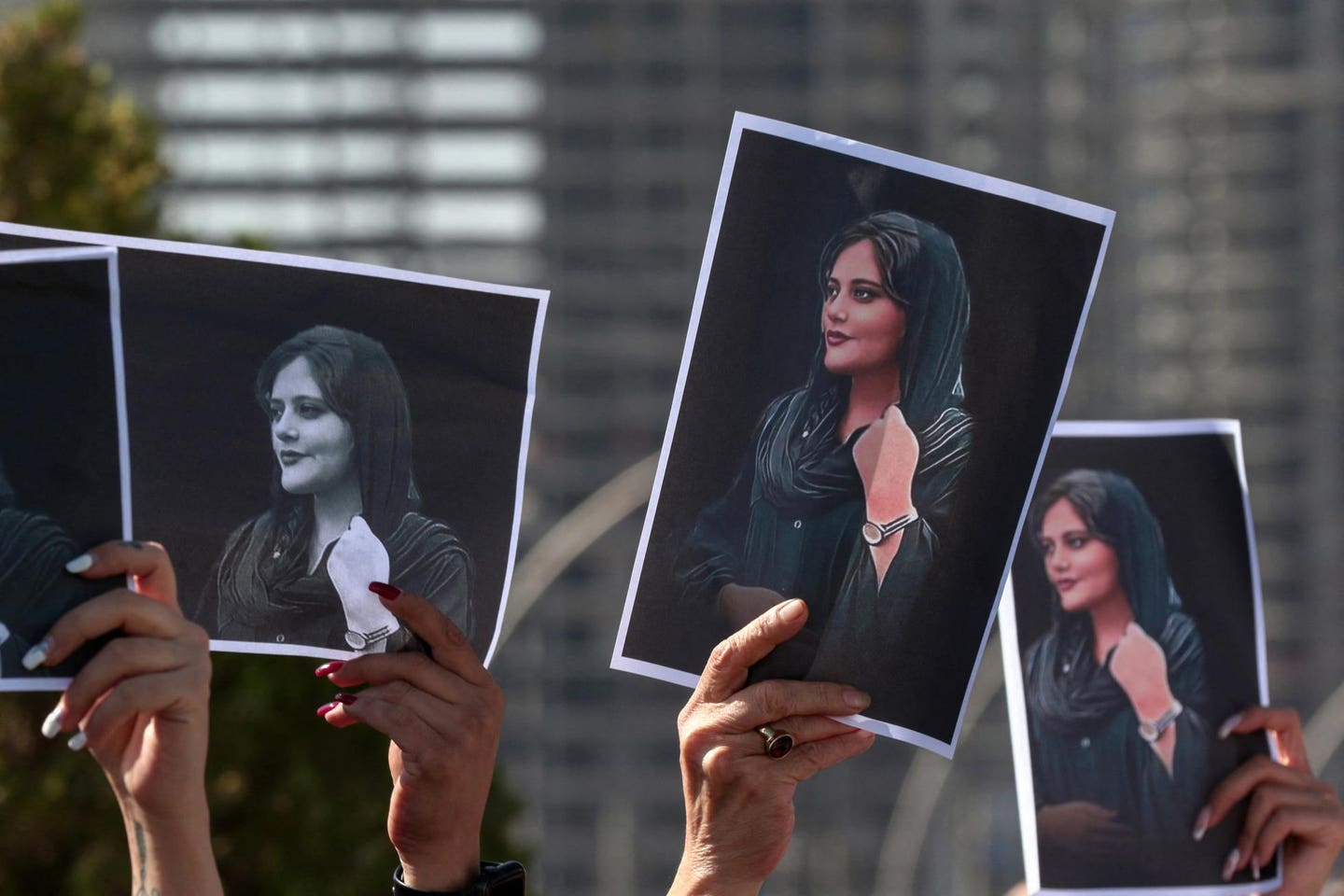
Arrested by the morality police for “improper hijab,” Mahsa’s death in custody ignited the largest women-led protests in Iran’s history. “Woman, Life, Freedom” became a unifying call that transcended generations, ethnicities, and borders. Her name became more than a symbol, it became a promise that fear would no longer define Iranian women.
8. Niloofar Hamedi & Elaheh Mohammadi (2022)
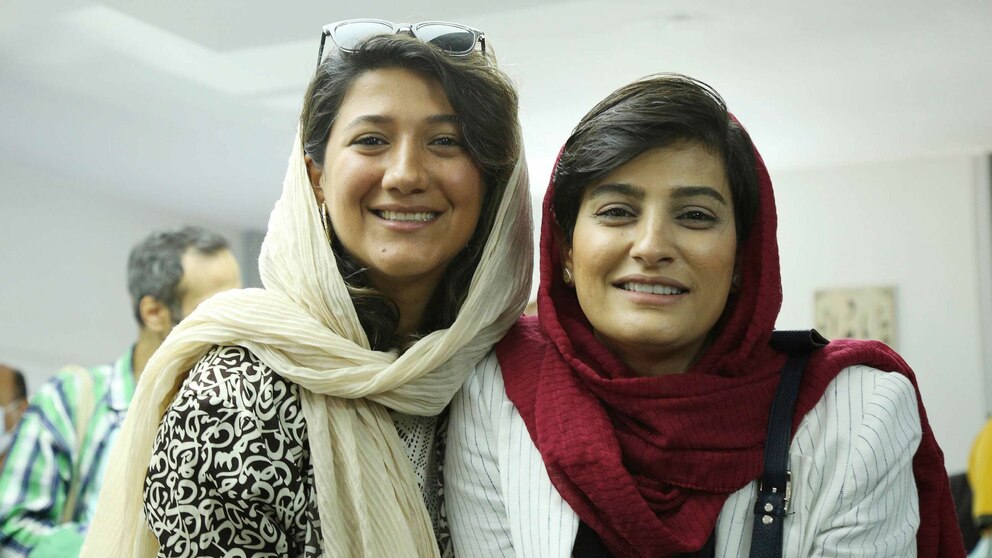
These two young journalists first reported Mahsa Amini’s story. Their courage in doing their job truthfully, quickly, and compassionately, led to their imprisonment and long sentences. In a country that silences truth, they reminded the world that journalism itself can be an act of protest.
9. Ahoo Daryaei (2024)
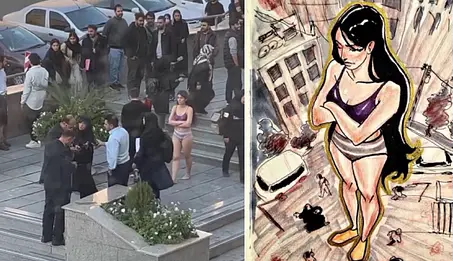
A PhD student who stripped in protest after being confronted over her clothing on campus, Ahoo’s act was spontaneous and raw, the product of a generation exhausted by humiliation. Her image, widely shared online, captured a profound truth: when every form of expression is banned, the body itself becomes the last language of dissent.
10. Parastoo Ahmadi (2024)
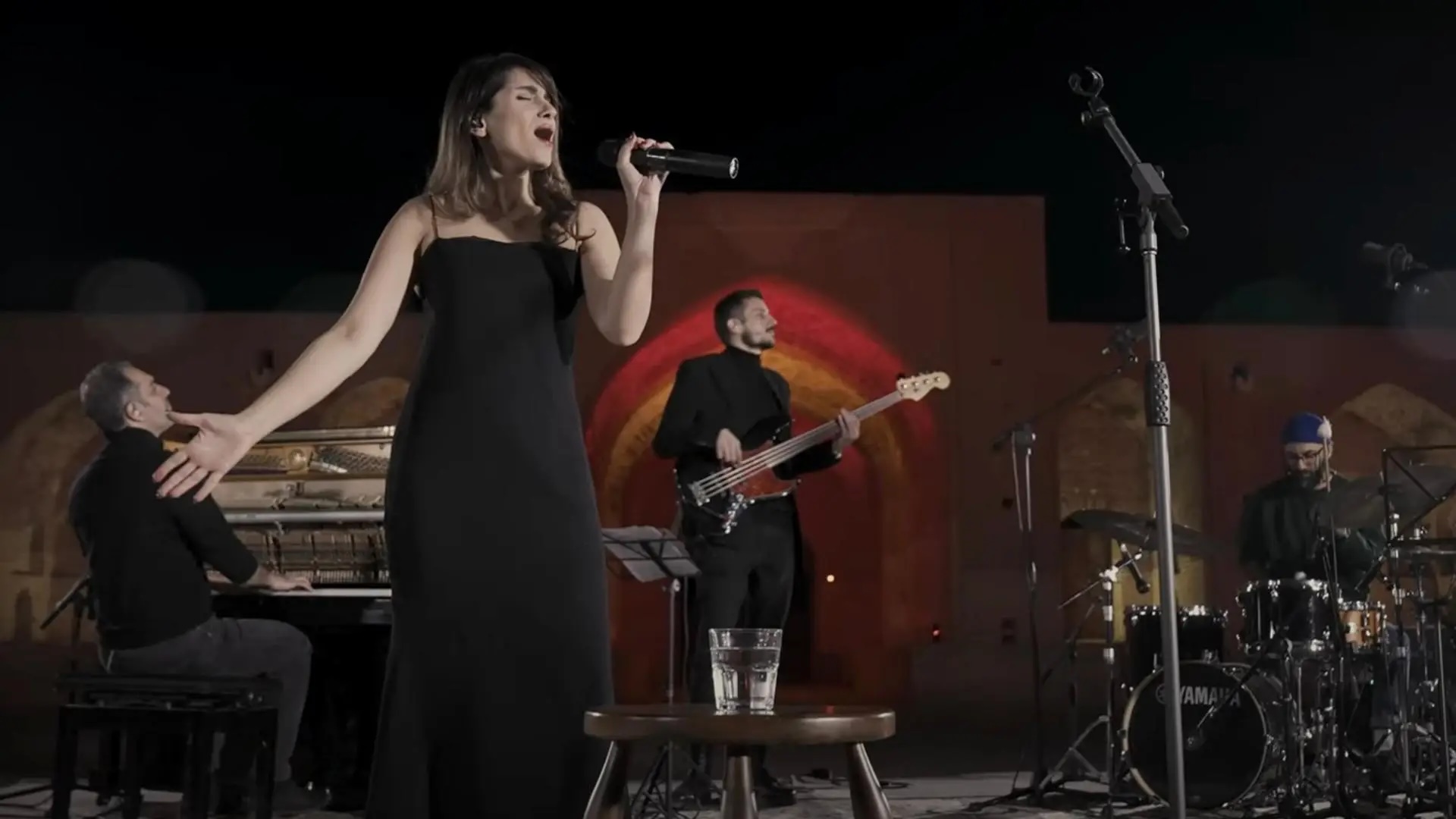
The young singer who dared to perform publicly without hijab, the first Iranian woman to do so since 1979. Her symbolic concert, held in a hidden location and streamed online, reclaimed the stage for women’s voices. Parastoo’s defiance was not loud or political by nature; it was artistic, spiritual, and deeply human, proof that silence can be broken through song.
Each of these women challenged not just a law but a mindset, one that seeks to control women as a means of controlling society. Their stories span fifteen years but share a single heartbeat: the refusal to accept fear as normal.
Iran’s future, whenever it arrives, will bear the fingerprints of women like them, those who risked everything so that others might simply live freely.